“Hyld Studio - Casting the Mind”
Magazine feature for Hyld Studios providing a first-hand introduction to fishing and an essay written by Victor Lindholm
“Like a wary trout approaching a dry fly, fishing is inching its way towards the fashion zeitgeist. It's an activity we've alluded to sporadically over the past ten issues — and one we've confidently predicted would become the next cool outdoor pursuit for the best part of five years - yet, somehow, it's still not quite broken the surface.
I've been quietly fascinated by fishing for as long as I can remember. And yet, until a fortnight ago, I’d never held a rod. I think part of the reason I’d always admired it from afar is that fishing is intimidating. Not because of the people who do it, nor even the act itself - but because of how much there is to know. Unlike other outdoor hobbies, you can’t just grab a rod and head to the nearest body of water.
What kind of rod are you going to use? What kind of fishing do you want to do? What bait should you use? Is it even open season? What fish spawn there - and when?
These are the sorts of questions I’ve been asking myself over the past two weeks, spiraling down Reddit threads and losing hours to YouTube angling guides in the process. Eventually, after several days of obsessive reading, watching, and note-taking, I finally plucked up the courage to cycle down to one of Manchester’s many canals - the kind of spot where I’d seen anglers loitering in their polarised sunglasses, heads bowed in quiet concentration.
I bought my 24-hour rod licence, applied for my Salford Friendly Anglers Association permit, and turned up with a £25 float setup purchased from my nearest tackle shop. After a good half hour of bumbling with line, split shot and premade hooks I settled into position for three hours of pure, uninterrupted canal-side waiting. At the end of it, the same piece of sweetcorn remained on my hook. I caught nothing. And loved it.
I cycled home in the pissing rain with a smile affixed to my face. I can’t remember the last time I sat still for that long without a single distraction. It felt like a mental reset – what the pursuit lacked in fish was made up for tenfold in mental relaxation. And this was on a canal that was anything but picturesque; I spent most of the afternoon casting around rusted trolleys and shattered bottles of Becks. I can only imagine how potent the experience might be somewhere far from the hustle and bustle of a city.
I’m in for life now (well, for the next 365 days), and I’ve still got everything to learn. What began as an excuse to wear GORE-TEX wading jackets and long-billed caps has rapidly morphed into a full-blown obsession. And hopefully, at some point, I might even catch a fish.
So perhaps the reason fishing hasn’t quite infiltrated fashion’s upper atmosphere is precisely because it demands such commitment. You really, truly have to want to go fishing to actually go fishing. Listening to a bloke from Yorkshire slowly explain the intricacies of summer groundbait is a gruelling experience if you're not already hooked. My girlfriend can confirm as much.
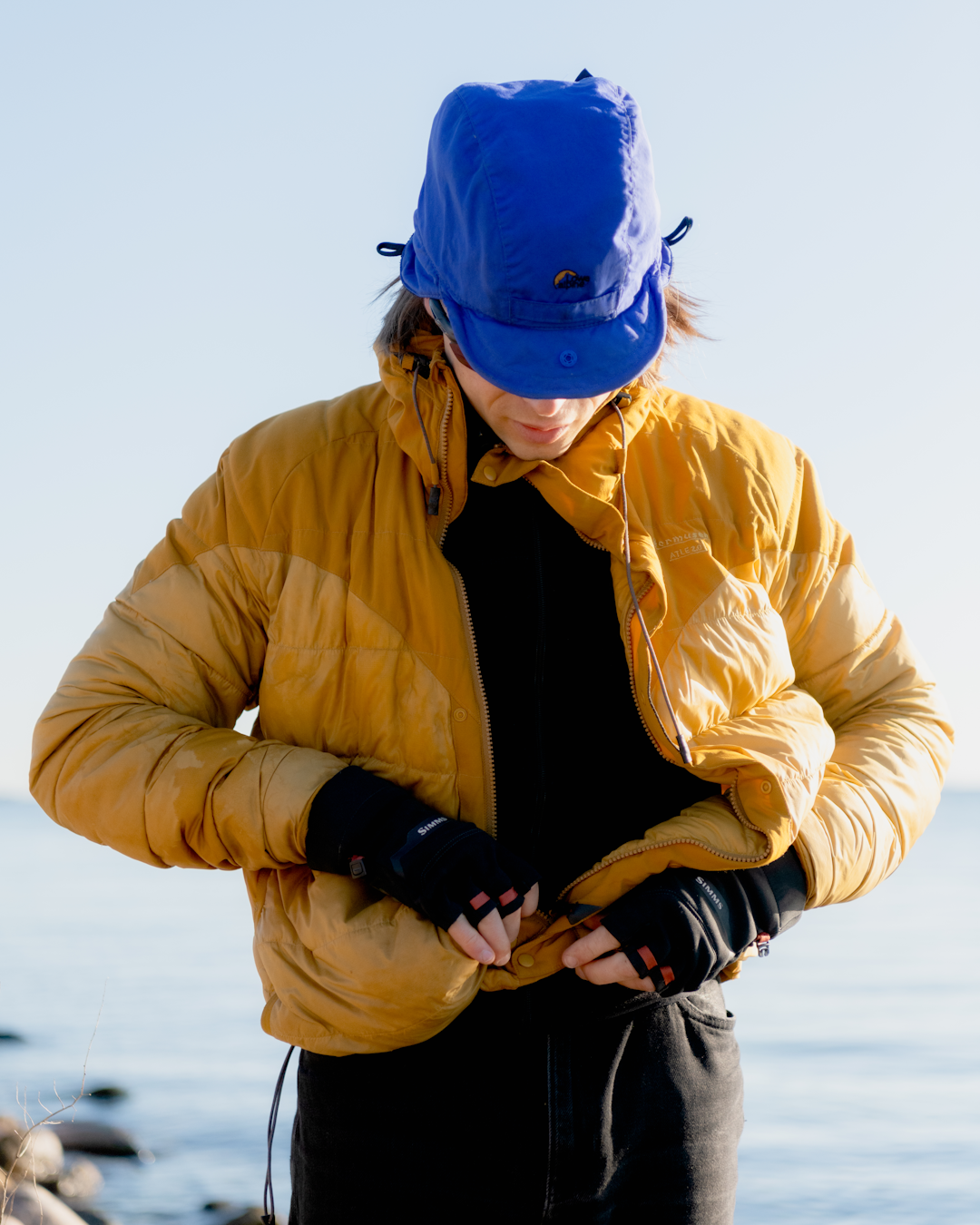
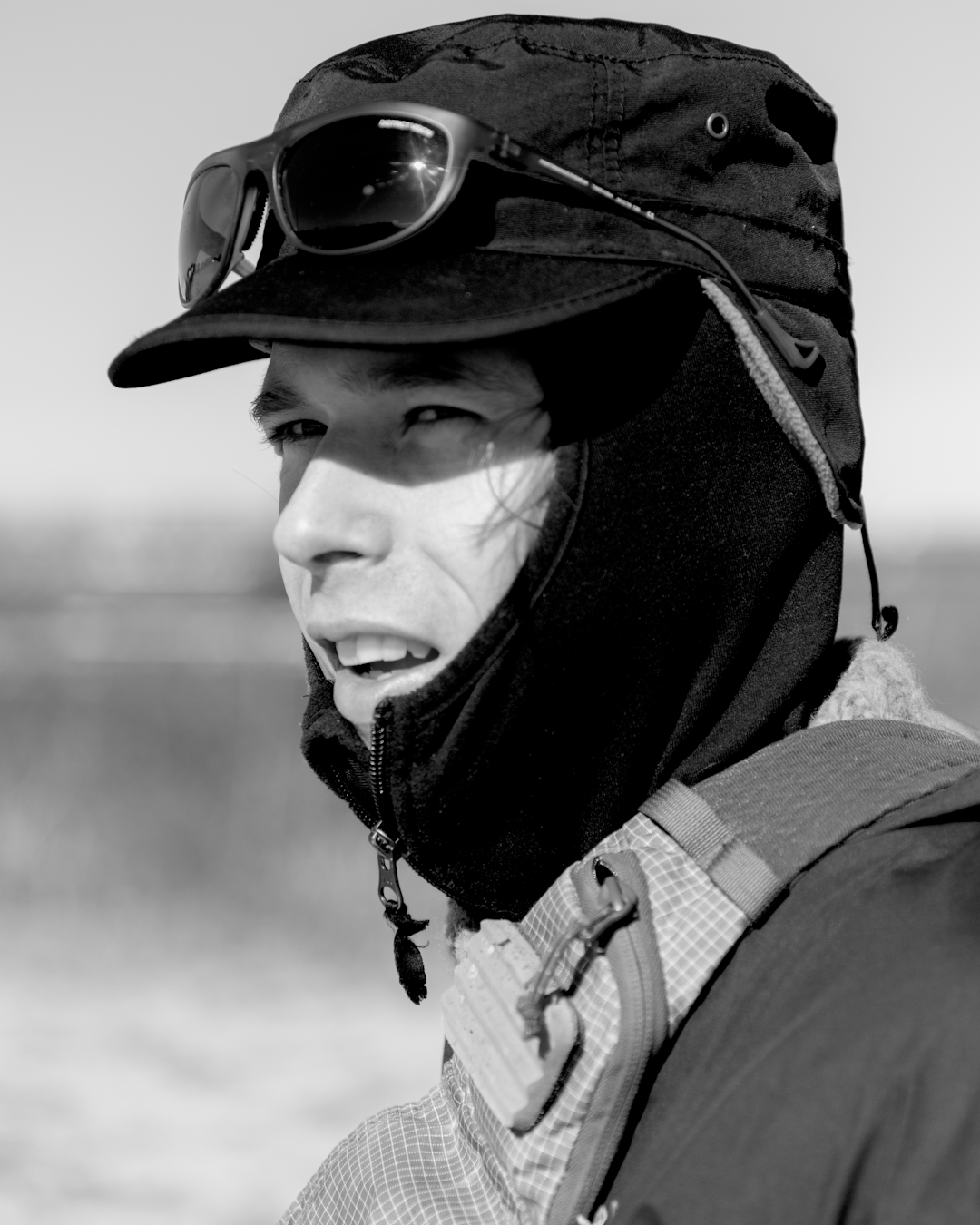
But who knows - perhaps one day we’ll all be commuting to work with a fly rod in one hand and a landing net in the other. If we are, it’ll be thanks to more people recognising the knowledge, skill and joy that fishing offers. People like Victor Boy Lindholm – a wildly stylish Norwegian angler who really knows what he’s doing and really loves it.
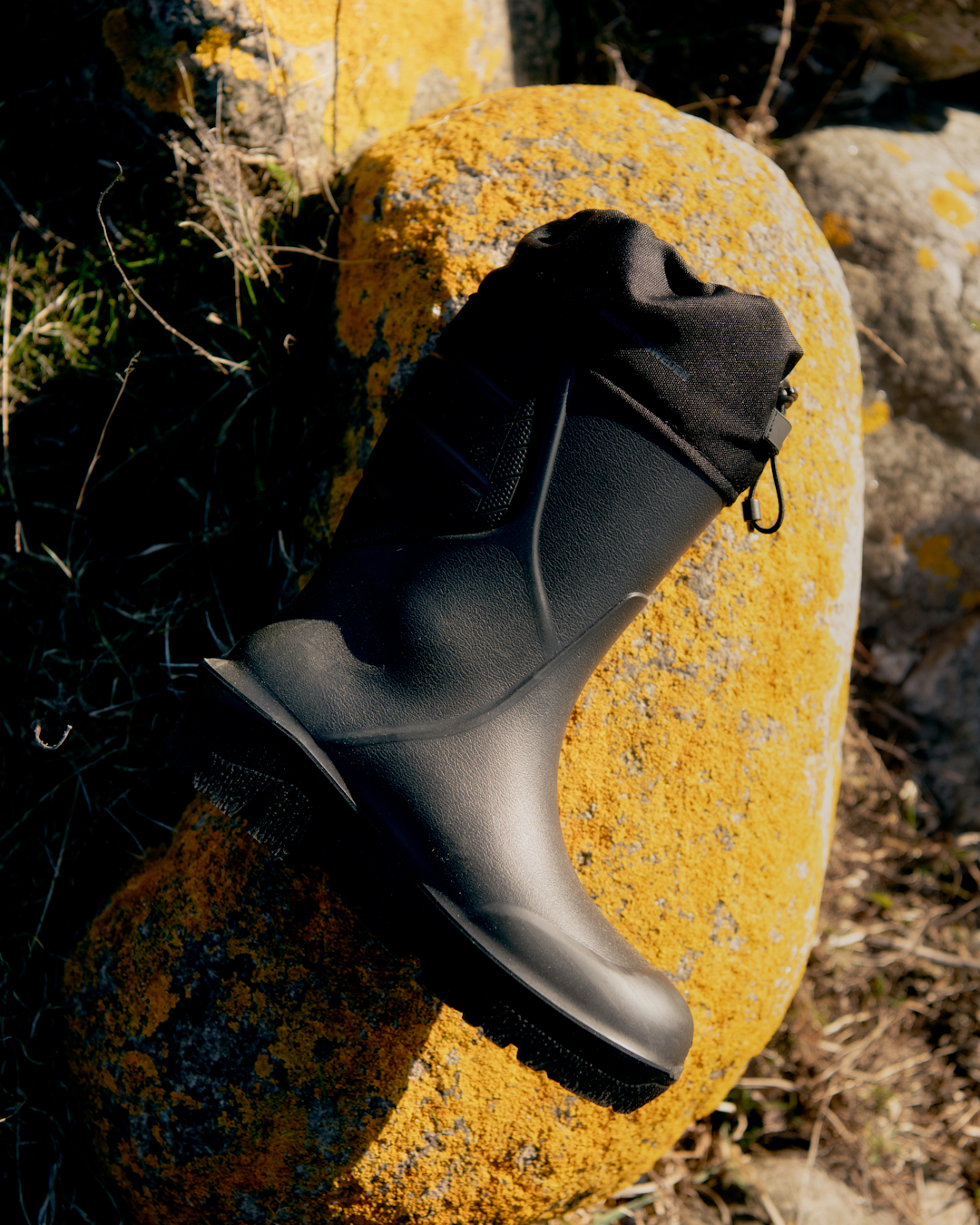
Victor recently collaborated with Hyld Studio on an editorial for Polyver of Sweden – a North-Swedish brand who is revered for their technology to keep peoples’ feet warm and dry regardless of the activity
Everyone has their own reasons for falling in love with fishing, and Victor’s are beautifully set out in the essay below. Rest assured, it’s far more eloquent than the ramblings you've just had to sit through…”